REVIEW · ST KITTS
3 Hours Horseback Riding from Nature Trails to Sofa Stone
Book on Viator →Operated by SKNJeepers · Bookable on Viator
First steps on a mountain trail. This St. Kitts horseback ride takes you through bamboo and sea grape country, then up to lookout points over Basseterre and the Caribbean, with a photo stop at the famous Sofa Stone. I love that it’s a small-group, guided experience that feels personal, not rushed, and the guides make sure you understand how to ride before you head uphill.
My other big win is the convenience: hotel pickup and a set schedule that includes the time to get you to and from the stables. One thing to keep in mind is that your total time can vary if pickup runs later than expected, and a few riders have noted gaps like water not being offered—so I’d plan to bring a small bottle if you get thirsty easily.
In This Review
- Key things to know before you go
- A 3-hour horseback plan that actually fits a day
- Pickup, group size, and why the clock matters
- At the stables: instruction and how first-timers stay relaxed
- The climb: bamboo, sea grapes, wild cherries, and real island vegetation
- Wildlife spotting: what you might see on the trail
- Steep moments and how to make uphill riding feel easier
- The top viewpoint: Basseterre, the Caribbean Sea, and Atlantic views
- Sofa Stone: the landmark stop that gives the ride a real ending
- Dismount and the 10-minute walk for photos
- The ride back down: what changes on the descent
- Equipment, photos, and what to plan for with your phone
- Price and value: is $97.50 worth it?
- Who should book, and who should think twice
- How to prepare so you enjoy every minute
- Quick practical FAQ
- FAQ
- How long is the horseback riding tour?
- What does the tour cost?
- Is hotel pickup included?
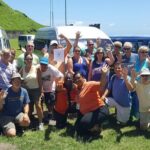
- How big is the group?
- What fitness and weight requirements should I know about?
- What happens if weather is poor?
- Should you book this Sofa Stone horseback ride?
Key things to know before you go
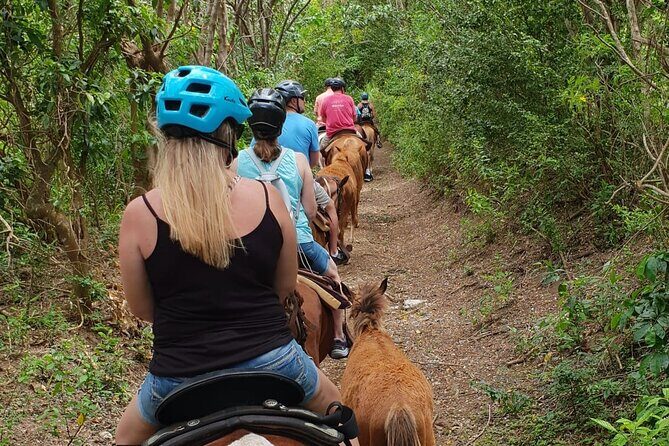
- Small group (max 10) keeps the ride calmer and easier to manage for first-timers.
- Guides on the job point out plants and wildlife as you climb; names you might hear include Nigel, Leroy, and Smalls.
- Eco-trail highlights include bamboo, sea grapes, wild cherries, wild sage, mangoes, guava, and the national flower, poinciana.
- You’ll stop for photos at major viewpoints over Basseterre, the Caribbean Sea, and (on clear days) the Atlantic and nearby islands.
- Sofa Stone is the payoff: a specific landmark stop, not just a general viewpoint.
- Moderate fitness helps since you’ll be riding uphill and there’s also a short walk after dismounting.
A 3-hour horseback plan that actually fits a day
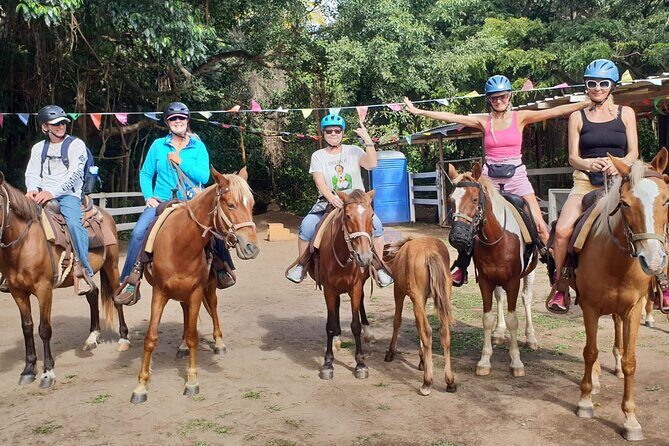
This tour is designed to be a solid chunk of your day without eating it whole. The time on the ground is roughly 3 hours total, and that includes the drive to the stables and back—so you’re not just counting saddle time.
What I like about that for planning is simple: you can pair it with lunch, a beach afternoon, or even an early dinner without having to guess. And because the group is capped at 10, it tends to feel less like a production line and more like a proper nature outing.
A few more St Kitts tours and experiences worth a look
Pickup, group size, and why the clock matters
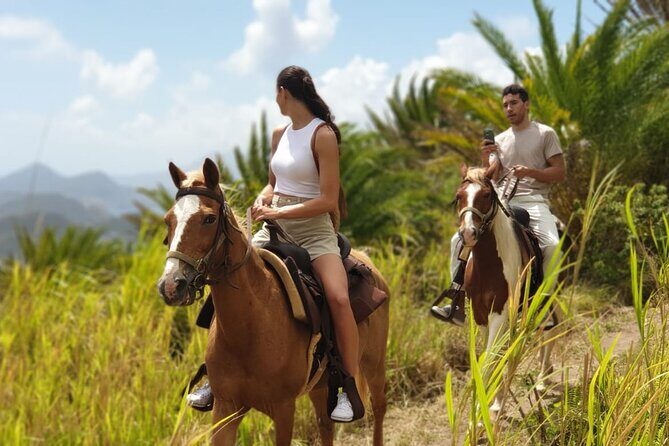
Pickup is part of the experience, which is a big deal in St. Kitts when you don’t want to figure out routes and parking. The tour operator offers pickup, and some riders even get picked up from ports, then returned after the ride.
Here’s the practical caution: if your pickup is later than planned, your whole experience still has to fit in that overall window. One review described a longer-than-expected transfer and ending up with extra time overall—so I’d treat the listed duration as the best-case scenario, not a promise down to the minute.
At the stables: instruction and how first-timers stay relaxed
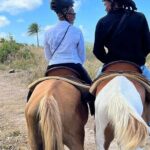
Before you ride, you get the necessary equipment and instruction. That matters because horseback riding is one of those activities where confidence changes everything. If you’ve never been on a horse, you’ll want a guide who can explain basic cues clearly and keep you from second-guessing yourself.
Guides you may meet include Nigel and Smalls, with Leroy often helping with the drive and general on-island hospitality. Several riders praised patient handling for nervous first-timers, and there’s a recurring theme: steady horses and a guide who watches the group.
Also, listen for how the guide manages spacing. One rider noted a guide in front making sure a certain rhythm stays consistent—meaning the ride can be more “guided flow” than “free-for-all trot.”
The climb: bamboo, sea grapes, wild cherries, and real island vegetation
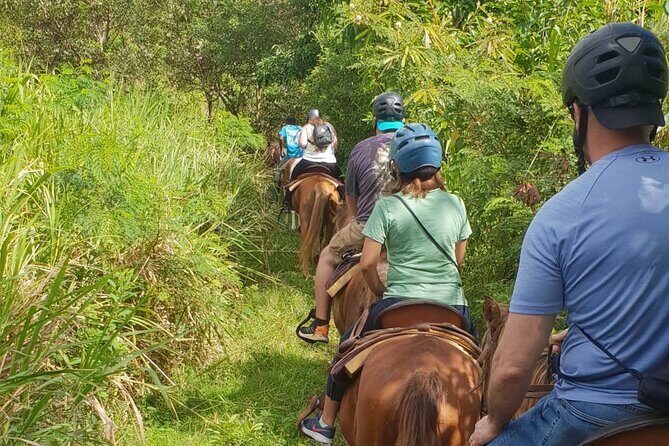
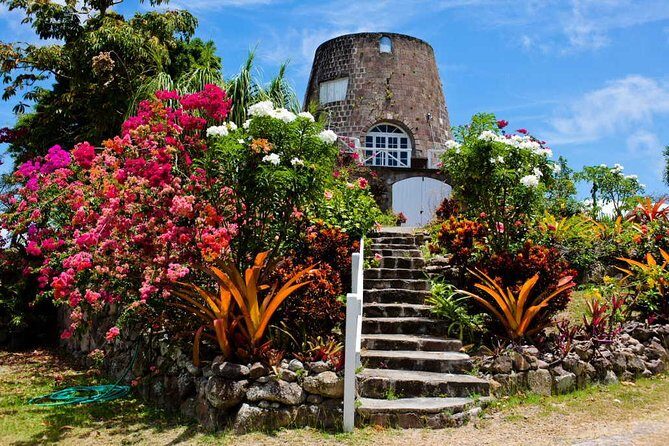
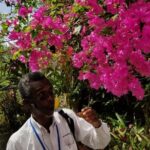
Once you’re mounted, you start moving through hills with a mix of vegetation that feels very St. Kitts—sun, greenery, and scrubby growth in the right places. The route is described as an eco-tour through areas with bamboo, sea grapes, wild cherries, wild sage, mangoes, and guava, plus the poinciana, St. Kitts’ national flower.
This is where the tour becomes more than a scenic ride. When your guide points things out as you pass, you start noticing patterns: what grows where, what looks similar but isn’t, and how the vegetation changes as you climb and turn.
One of the best benefits of riding through working countryside is that the views feel earned. You’re not just looking at the island from a single viewpoint; you’re experiencing how it looks from different angles as the trail rises.
Wildlife spotting: what you might see on the trail
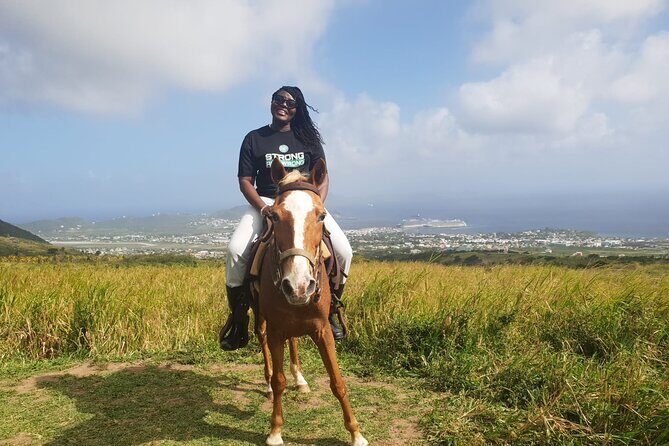
Keep your eyes open. The ride is paced so you can actually notice wildlife—not just survive the climb. Riders have reported seeing animals such as monkeys, chickens, sheep, and goats along the way.
Wildlife sightings aren’t guaranteed—this is nature, not a zoo—but the guide’s scanning helps. If you’re the kind of person who likes to pause and track movement, this tour gives you permission to do that without turning it into a slow-motion mess.
A few more St Kitts tours and experiences worth a look
Steep moments and how to make uphill riding feel easier
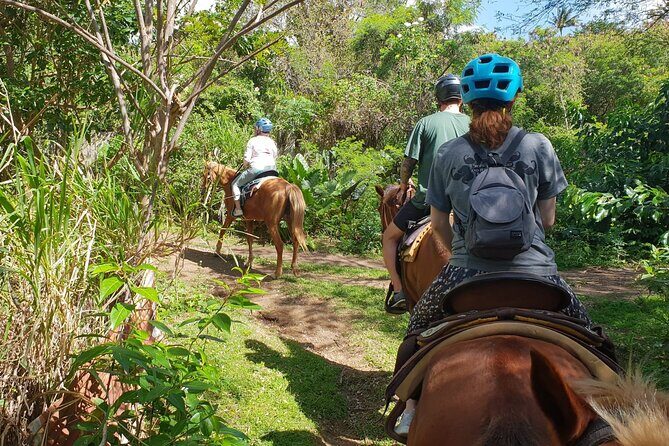
The overall climb is part of the magic, but it’s not all flat cruising. Some riders called out that there are sections that feel steep-ish, while still saying it wasn’t a problem if you’re in normal physical shape.
Practical takeaway: if you get nervous about uphill riding, ask your guide about how they handle first-timers. Several riders said they were allowed to walk or trot based on comfort level, which can be a huge confidence booster.
Also, use your body like a mountain bike rider would: lean with the motion rather than fighting it. You don’t have to be athletic, but you do need basic comfort with movement for a couple hours.
The top viewpoint: Basseterre, the Caribbean Sea, and Atlantic views
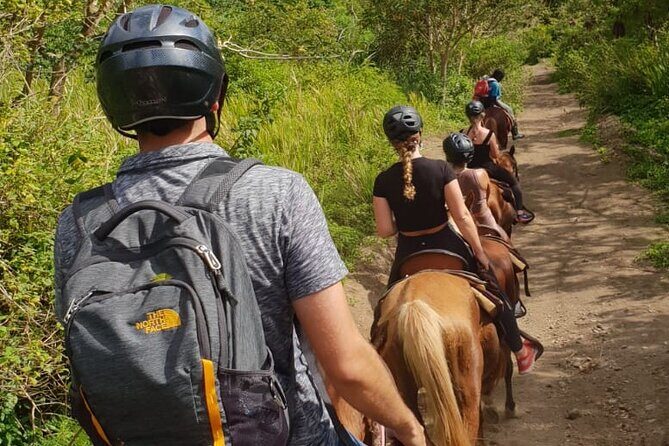
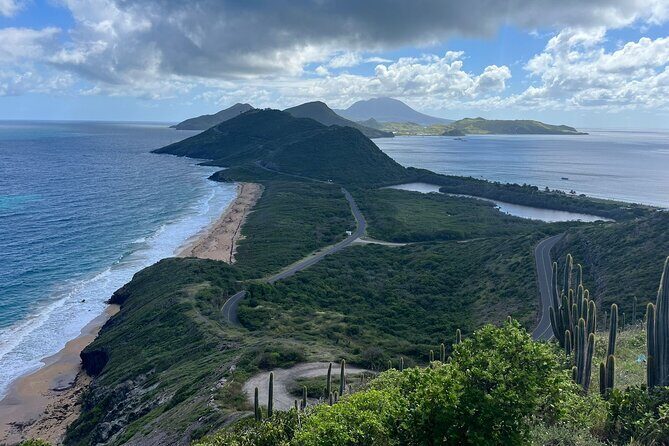
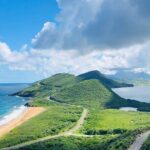
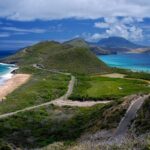
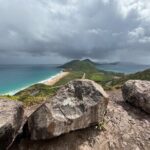
At the high point, the scenery snaps into focus. You’ll get expansive views over Basseterre, plus the Caribbean Sea and, on a clear day, the Atlantic Ocean and even views of neighboring islands.
This is where the photos get worth the effort. From the ridgeline, the island reads differently: roads, neighborhoods, and coastline show up in layers. And even if the weather isn’t perfect, the light off the sea tends to create nice contrast.
Some riders talked about a view that feels like an inside look at the mountain area—basically meaning the trail exposes angles you don’t get from lookouts alone. That’s one of the advantages of horseback riding: your “camera height” and path matter.
Sofa Stone: the landmark stop that gives the ride a real ending
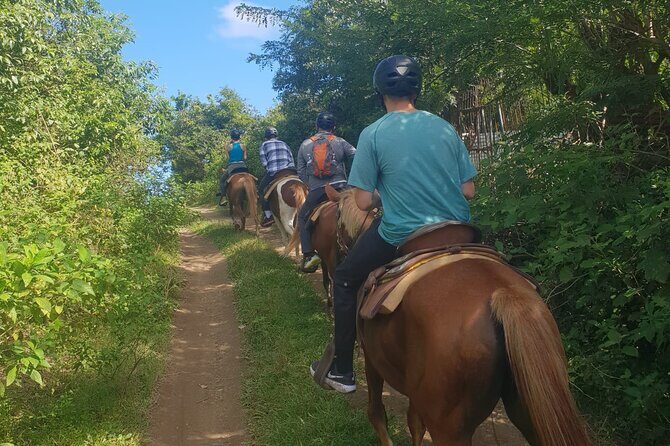
The famous stop on this ride is Sofa Stone. Instead of being vague—like seeing a rock sometime around the route—you’re guided to a specific photo moment tied to this landmark.
Why I like that: a named destination helps you feel like you did something concrete, not just rode around nature. It also makes it easier to tell others what you actually saw.
After that, the trail continues and you head back down, still with the guide managing the pace and keeping the group together.
Dismount and the 10-minute walk for photos
There’s a short break after you dismount: a 10-minute walk. During that time you’ll be able to capture the vistas—Basseterre and the surrounding water are the big draw—then you mount up again and continue down.
This little walk matters more than it sounds. Riding lets you cover ground, but the walk lets you step into your photo spots without the horse moving under you. If you’re traveling with someone who loves pictures (or you are that person), this break is your best chance for calm, steady shots.
The ride back down: what changes on the descent
Coming back down can feel tougher than you expect, mostly for people who aren’t used to the rhythm of riding. One review described the return as more taxing because of the length and the effort of staying balanced.
But you can manage that with a simple mindset: treat the descent like a careful cooldown, not a sprint. If you need to stretch your legs or take a slower trot, ask your guide. Many riders said the guides were flexible about how the ride felt as long as everyone stayed safe.
Equipment, photos, and what to plan for with your phone
Because you’re outdoors and you’re moving, your biggest photo problem is usually not the view—it’s steadiness. Bring a way to keep your phone secure (a small strap or something you can tuck away quickly).
Also, time your photos for the stops. You’ll get viewpoints where the guide brings you to the right angles. If you try to shoot constantly while the horse is moving, you’ll end up with blurry shots and a bunch of “why is this mostly horse mane” pictures.
Price and value: is $97.50 worth it?
At $97.50 per person, this isn’t the cheapest activity in St. Kitts. But value depends on what you get beyond just sitting on an animal.
Here’s what you’re buying:
- a guided route through countryside with real narration (plants, wildlife, and island context)
- instruction and equipment so first-timers aren’t dropped in cold
- a structured route with clear payoff points: Basseterre views and Sofa Stone
- small-group management with maximum 10 travelers
- pickup included, which can save time and hassle
If you want a scorched-earth budget day, horseback riding won’t win. But if you want an island experience that feels specific to St. Kitts—up close, on a trail, not just at a beach—then this price can feel fair.
Who should book, and who should think twice
This tour fits best for couples and families who want a nature-focused activity with a strong photo payoff. It also helps that it’s described as suitable for moderate fitness and includes guidance that can work for beginners.
A few groups might want to think twice:
- If you’re very uncomfortable riding for a couple hours and dealing with uphill and downhill motion, this may be more effort than you want.
- There’s a weight limit under 275 lbs, so make sure you’re within it before you commit.
- If you have concerns about animal care, pay attention to how the horses are handled and the overall tack fit. If something feels off to you, ask your guide right away.
How to prepare so you enjoy every minute
I’d prepare like this is partly a walk and partly a ride:
- Wear shoes with grip for uneven ground around the stables and trail access.
- Dress for sun, since the route goes through open hills as well as wooded patches.
- Bring a small bottle of water if you’re sensitive to thirst. The tour description doesn’t spell out refreshments, and water has been mentioned as a miss by at least one rider.
- Have your camera ready for the viewpoint break. The best photos tend to come when the guide slows down and you can get stable footing.
And one more tip: ask the guide what’s coming next. Guides like Nigel, Smalls, and Leroy were praised for how they set expectations and point things out. If you know what’s ahead, you’ll enjoy the climb more.
Quick practical FAQ
FAQ
How long is the horseback riding tour?
It runs about 3 hours.
What does the tour cost?
The price is $97.50 per person.
Is hotel pickup included?
Yes, pickup is offered and included for added convenience.
How big is the group?
It has a maximum of 10 travelers.
What fitness and weight requirements should I know about?
You should have moderate physical fitness, and you must be under 275 lbs.
What happens if weather is poor?
This experience requires good weather. If it’s canceled due to poor weather, you’ll be offered a different date or a full refund.
Should you book this Sofa Stone horseback ride?
I’d book it if you want a St. Kitts day that feels active, scenic, and specific, with a clear payoff at Sofa Stone and strong views over Basseterre and the sea. The small group size, plus the guidance from people like Nigel, Smalls, and Leroy, makes it a good fit for first-timers who want confidence fast.
I’d hesitate if you’re expecting a totally flat, low-effort outing or if you’re very strict about hydration and pacing. For most people, though, this is the kind of trail ride that turns into a memory you can point to later: the plants you saw, the wildlife you spotted, and that landmark rock with the ocean behind it.